
Bike mats are specialized mats designed for cyclists and bike enthusiasts. These mats provide a clean, dry, and safe space for bikes, protecting floors from dirt, water, and oil stains.
Why Bike Mats?1. Protect Floors: Bike mats catch dirt, water, and oil, preventing damage to floors.
- Keep Bikes Clean: Mats provide a clean space for bikes, reducing maintenance.
- Safety: Non-slip surfaces prevent bikes from slipping or falling.
- Customizable: Available in various sizes, colors, and designs.
Types of Bike Mats
Perfect for- Home bike storage and maintenance
- Bike shops and repair shops
- Cycling studios and events
- Outdoor bike parking areas
Benefits of Bike Mats- Protect floors and reduce cleaning
- Keep bikes clean and dry
- Enhance safety with non-slip surfaces
- Customizable for branding or style
Bike Mats: What They Are & Why You Need One
Bike mats are protective floor mats designed to go under your bike, indoor trainer, or in your garage/workshop. They keep floors clean, reduce noise, and protect against scratches, sweat, and grease.
Main Types of Bike Mats
- Indoor Trainer Mats: Long, narrow mats that sit under your bike + trainer. They catch sweat, reduce vibration noise, and protect tiles or carpet. Popular for Zwift/trainer setups.
- Workshop/Garage Mats: Heavy-duty rubber mats for bike maintenance areas. Resistant to oil, grease, and tools. Often interlocking or anti-fatigue.
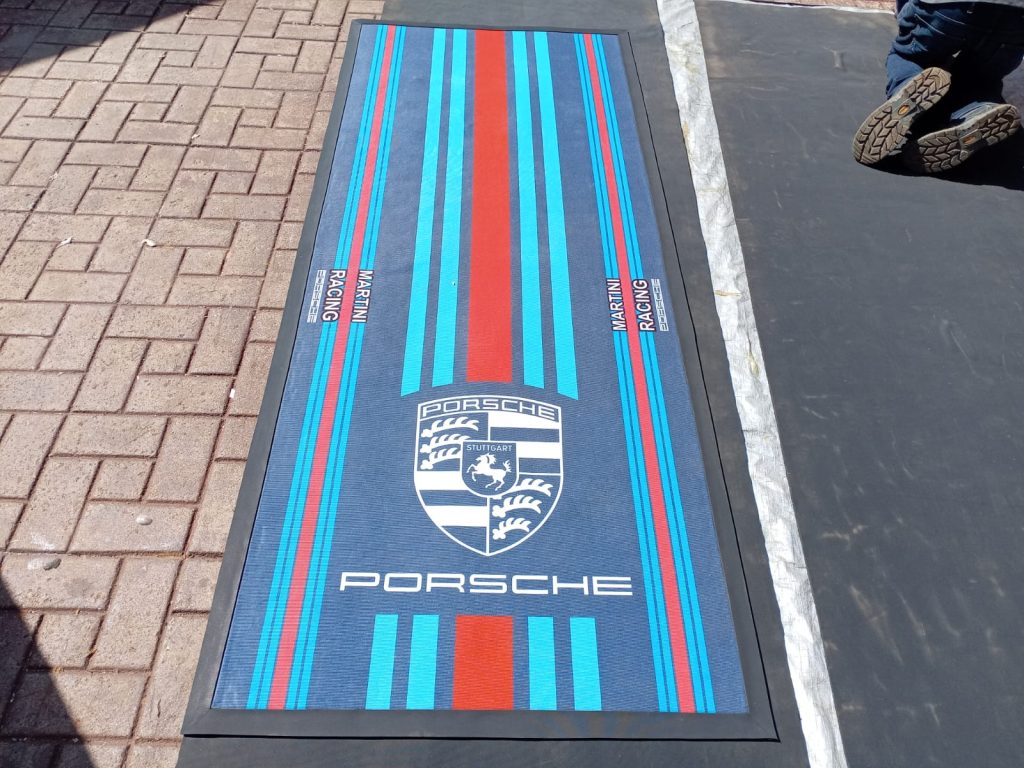
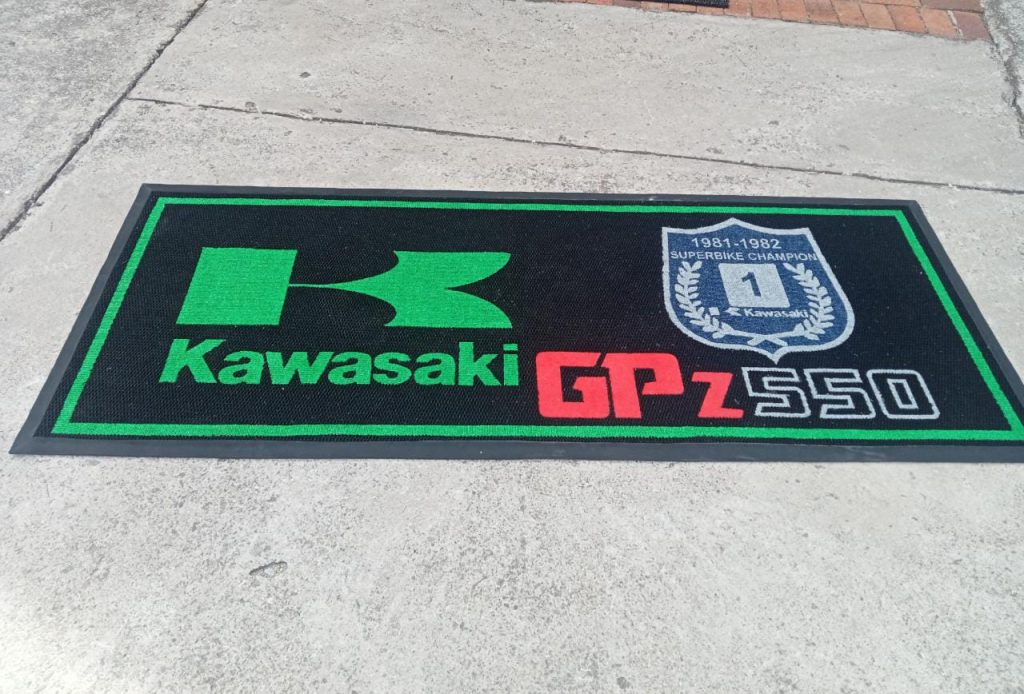
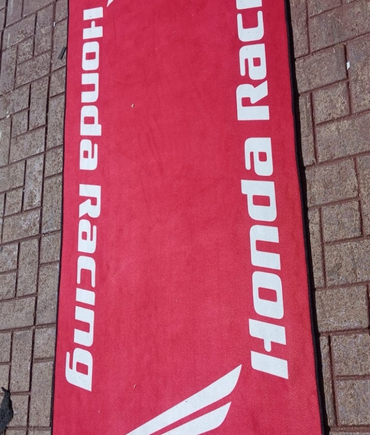
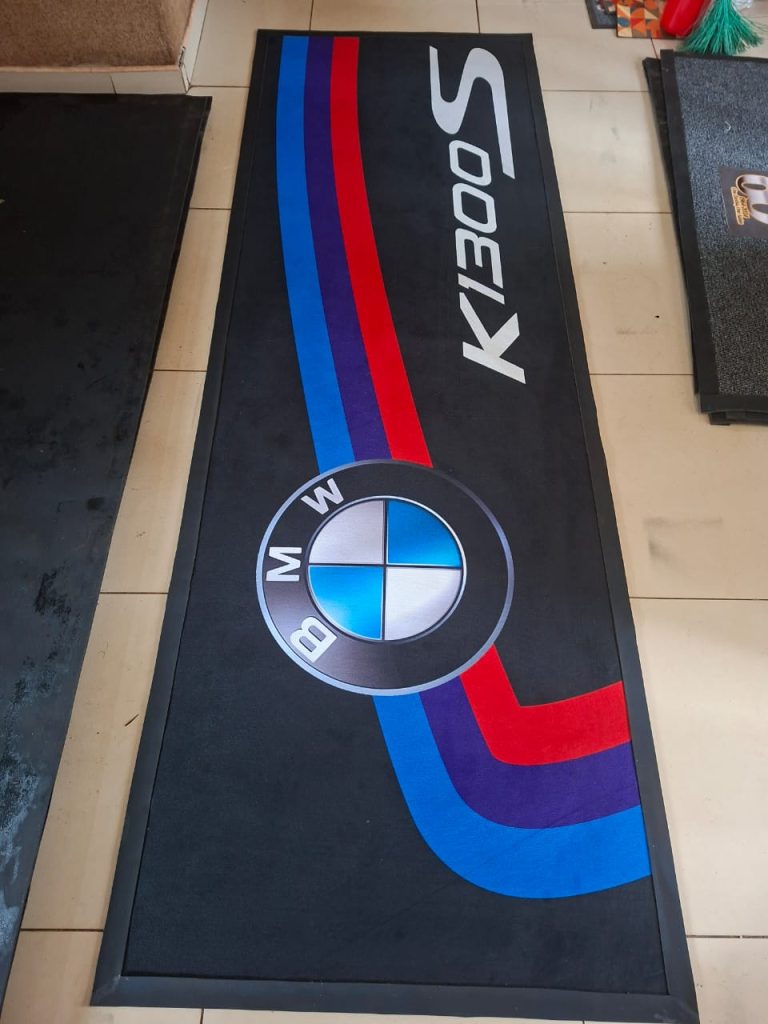
- Display Mats: Branded or plain mats for bike shops, events, and expos to showcase bikes while protecting floors and reinforcing branding.
- Portable Bike Mats: Lightweight, foldable mats for races or trail days. Great for keeping your bike clean during roadside repairs.
Key Benefits
- Floor Protection: Stops chain lube, grease, and tire marks from staining tiles, wood, or carpet.
- Noise Dampening: Reduces vibration and trainer noise, which helps if you live in an apartment.
- Stability: Rubber backing grips the floor so your trainer doesn’t slide during hard efforts.
- Branding Opportunity: Bike shops and teams use custom printed mats with logos for pro-looking pit zones and displays.
What To Look For In SA
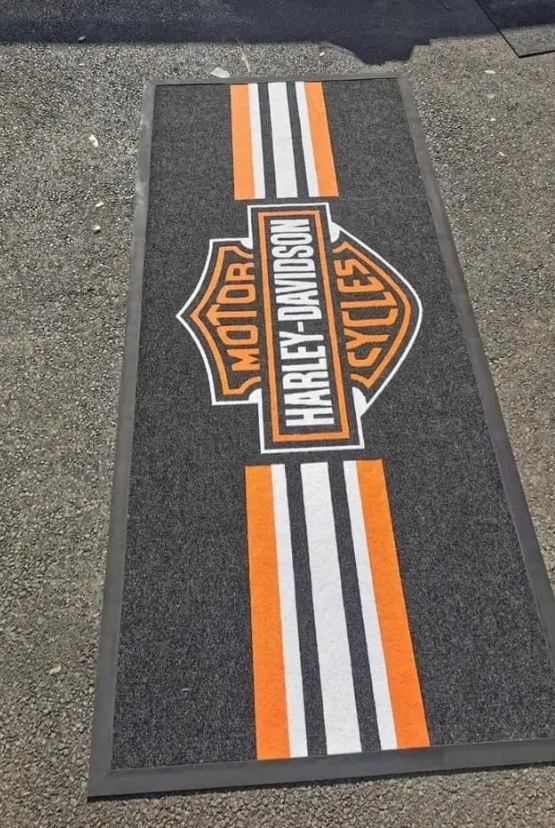
- Size: Most trainer mats are around 90cm x 200cm. Check your bike + trainer footprint first.
- Material: PVC or rubber for durability and waterproofing. Closed-cell foam for sweat absorption.
- Grip: Non-slip backing is key on tiles or smooth concrete.
- Easy Clean: You’ll want one you can wipe down or hose off.
Want me to help you:
- Find suppliers in Springs/Gauteng?
- Compare branded vs plain bike mats?
- Design a custom logo bike mat for your shop or team?
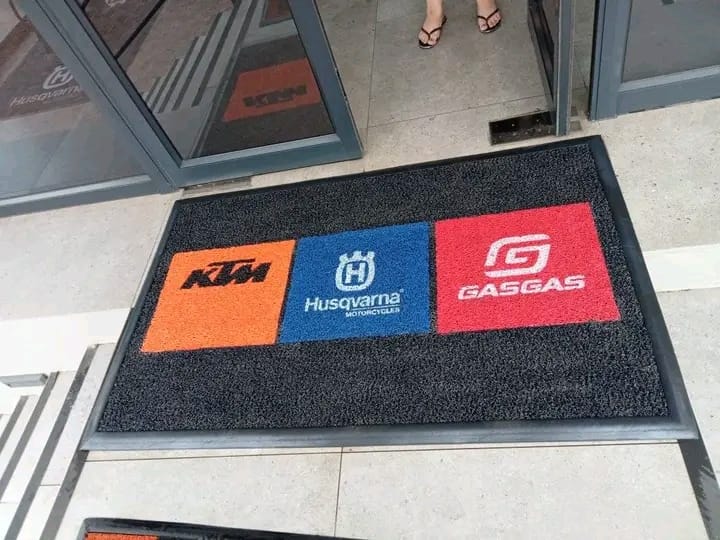
Got you, here’s a clear description of bike mats:
What Bike Mats Are
Bike mats are durable protective floor mats designed to sit under bicycles. They’re used for indoor trainers, garage workshops, bike displays, and race-day setups. Their main job is to protect your floor from dirt, sweat, tire marks, chain lube, and scratches while giving your bike a stable, non-slip base.
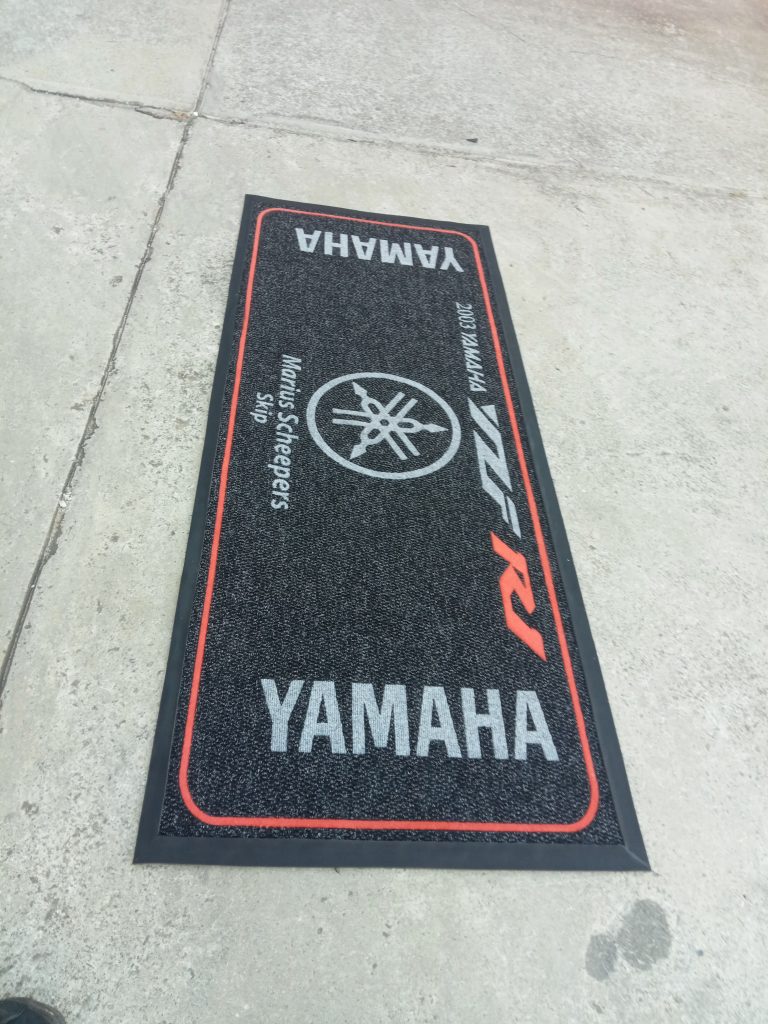
Key Features
- Material: Usually made from heavy-duty PVC, rubber, or closed-cell foam. Waterproof and easy to wipe down.
- Size: Most indoor trainer mats are around 90cm x 200cm, long enough to catch sweat and fit a full bike + trainer. Workshop mats can be bigger or interlocking tiles.
- Surface: Textured top layer to grip bike shoes and stop sliding. Underside has non-slip rubber to stay put on tiles, concrete, or wood.
- Thickness: 4mm–8mm is common. Thick enough to dampen vibration and reduce trainer noise, but thin enough to roll up and store.
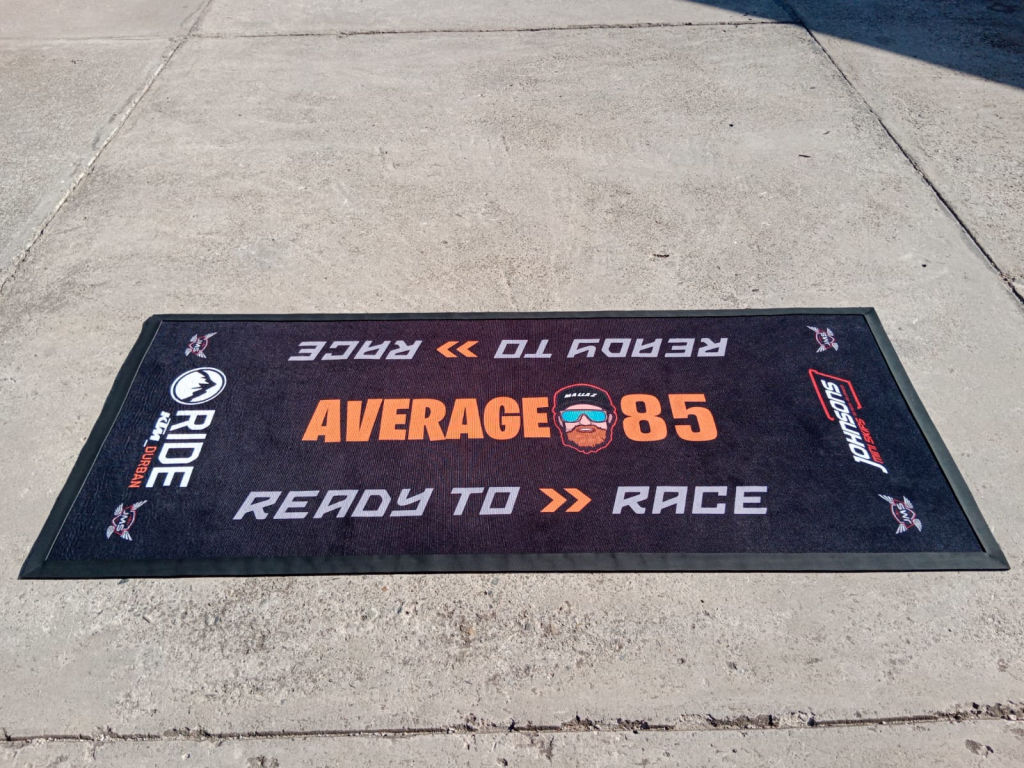
Where They’re Used
- Home/Gym: Under indoor smart trainers or rollers to protect floors and reduce noise for neighbours.
- Bike Shops: Branded mats for showroom displays, service areas, and events.
- Workshops/Garages: Heavy-duty mats to handle grease, tools, and repeated cleaning.
- Races/Events: Portable mats for pit zones or transition areas to keep bikes clean.
Benefits
- Protects floors from sweat, oil, and rubber marks
- Reduces noise & vibration from indoor training
- Adds grip & stability so the bike/trainer doesn’t shift
- Professional look when branded with your shop or team logo
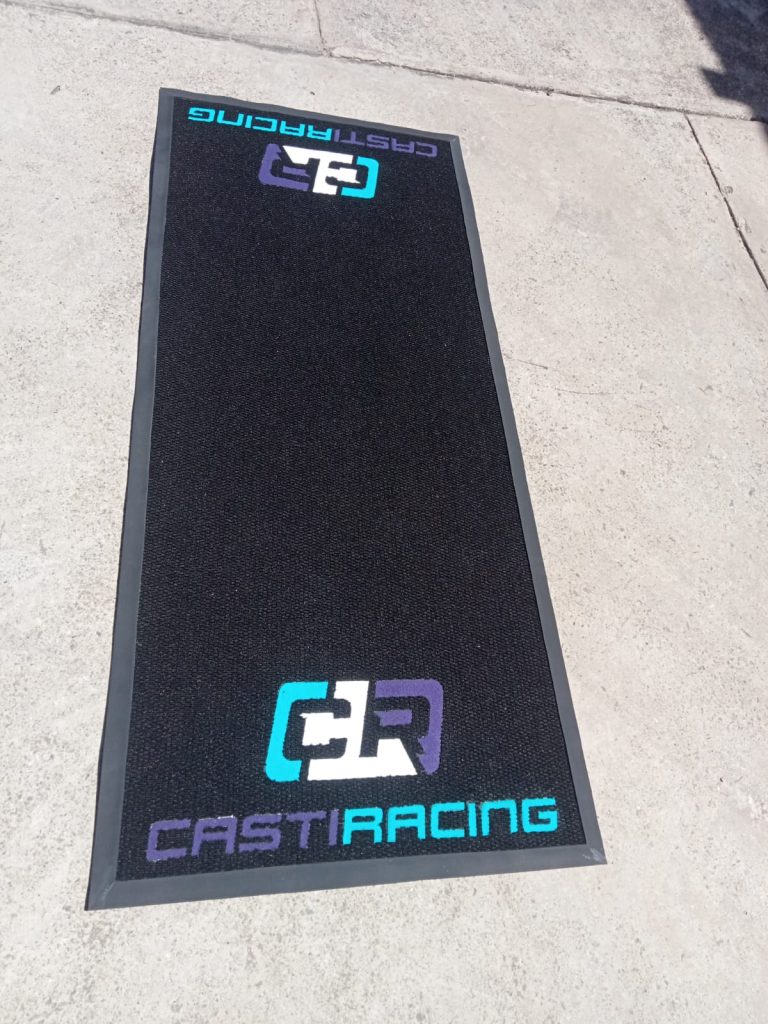
Bike Mats: The Complete 600-Word Guide
Whether you’re training indoors in Springs, running a bike shop in Johannesburg, or prepping for race day in Cape Town, a bike mat is one of the simplest upgrades that protects your space and makes life easier. It’s a purpose-built floor mat that sits under your bicycle, trainer, or work area to catch mess, cut noise, and give you a stable platform.
What Is a Bike Mat
A bike mat is a durable, waterproof mat designed specifically for cycling use. Unlike a yoga mat or carpet offcut, it’s built to handle sweat, chain lube, tire marks, and the vibration of indoor trainers. Most are made from PVC, rubber, or dense closed-cell foam with a textured top for grip and a non-slip base that stays put on tiles, wood, or concrete.
Main Types of Bike Mats
- Indoor Trainer Mats: The most common type. Long and narrow, usually around 90cm x 200cm, sized to fit under your bike and smart trainer. They catch sweat during Zwift sessions and stop vibration noise traveling through the floor.
- Workshop/Garage Mats: Heavy-duty rubber or nitrile mats built for maintenance areas. They resist oil, degreaser, and dropped tools, and often come as interlocking tiles so you can cover a whole workbench zone.
- Display Mats: Used by bike shops, teams, and at expos. These mats frame the bike, protect showroom floors, and look professional. Many are branded with logos and colours for extra marketing value.
- Portable Race Mats: Lightweight, roll-up mats you take to events. Perfect for transition areas, pit zones, or quick roadside repairs so your drivetrain stays clean and you don’t kneel in the dirt.
Key Features to Look For
- Size & Coverage: Check the footprint of your bike plus trainer. Most riders need at least 200cm length to catch sweat from the bars to the rear wheel.
- Material: PVC is waterproof and easy to wipe. Rubber gives the best grip and durability. Closed-cell foam adds noise damping but can dent under cleats.
- Thickness: 4mm to 8mm balances vibration absorption with stability. Too thick and your trainer might rock. Too thin and you lose noise reduction.
- Non-Slip Backing: Essential on tiles and polished concrete. Look for a full rubber base, not just corner dots.
- Beveled Edges: Stops you from tripping and lets you roll the bike on/off easily.
- Cleanability: You want to hose it off or wipe with a damp cloth after sweaty sessions or messy servicing.
Benefits for SA Riders & Businesses
- Floor Protection: Prevents sweat stains, chain lube, and black tire marks on expensive flooring. Critical if you rent or train in a living area.
- Noise & Vibration Control: A big win for apartment riders. The mat absorbs buzz from trainers and reduces complaints from neighbours or family.
- Safety & Stability: Keeps your trainer from creeping during sprints and gives cleats grip when you clip in/out.
- Professional Image: For shops and teams, a branded bike mat turns any space into a pro pit zone. It photographs well and reinforces your brand at events.
- Longevity: A good mat outlasts multiple trainers and pays for itself by saving your floor.
Branded Bike Mats as Marketing Tools
Custom printed bike mats are growing in SA cycling. You can print logos, team colours, QR codes, or sponsor panels directly onto the mat surface. Use them in-store under display bikes, gift them to team riders, or lay them out at races and coffee stops. Every Instagram post of a rider’s setup becomes brand exposure. Because they’re functional, people actually keep and use them, unlike flyers or banners.
Choosing the Right Mat for Your Setup
- Home trainer: Go 90cm x 200cm minimum, 6mm thick PVC with full rubber base.
- Workshop: Choose oil-resistant nitrile rubber, 8mm+, possibly interlocking tiles.
- Events/Display: Prioritise print quality and portability. 3mm PVC rolls small and still looks sharp.
- Multi-bike: Get a wider 120cm mat or place two side